Musical instruments are everywhere, used and new, from shops, friends, online – So, where do you go to get yours?
Your choice about where to go to get your first instrument will depend on your situation:
If you are a music student, at any level, you will probably seek guidance from your teacher. This can be at school, at a higher education, or a private music teacher. You should expect that, no matter what you do, the teacher will have an opinion about your chosen instrument, and often, it will make sense to check with the teacher before buying – the teacher might put some specific requirements up, recommend some specific brands and models, they may know a place where you can get a rebate by mentioning them, or they can buy the instrument for you. It varies, but checking with the teacher first will at least not hurt. In case the teacher doesn’t have any opinion or cannot offer suggestions, you’ll know that you are free to get whatever instrument you want, which is also useful knowledge.
A music teacher will most often guide you to a professional music shop, but it may also be that they know of other students who want to sell a used instrument, for instance, or perhaps the school has one that you can borrow or rent. They will probably advise you against buying a used instrument on your own from an Internet auction site, from an antiques store, or similar, as the risk of getting something less good is big – they’ll want you to buy from someone who knows about instruments in general, and about that specific instrument in particular.
If you are a hobbyist, wanting to play for your own joy, perhaps with the ambition of entertaining a bit at family gatherings, at the camp fire, or other informal situations where the joy of doing this together is the main parameter, your options are wide open. You may go to a music store, and they will no doubt be able to find something that fits your ambitions and economy. But you could also buy used – and even if you’ll get a less good instrument that needs some adjustments, you may be such a person who enjoys doing that, and it will then just expand your hobby with slight renovation of instrument, on top of the original wish to play music.
Most musical instruments are available used at almost any price level. If the instrument is very cheap, it is likely not in top shape – for instance, many people sell used instruments without knowing anything about them, but they have often been found in the attics, or on a market, and they may have been stored in a garage for a long time, being exposed to changing temperatures and humidity levels, so basically everything can, in theory, be wrong with them.
However, surprisingly many old instruments are in a quite good shape and will be immediately playable after a bit of cleaning and with new strings or whatever standard maintenance they need. And, of course, there are very good quality used instruments available too, ready to play. Some people buy a new instrument, give up on the hobby and put the instrument aside for a while, until they decide to sell it, in which case it can be almost as good as new. Other used instruments are offered by students, who have reached a level where they wanted a new instrument and are selling the old one. Active musicians will often offer functioning instruments, while marketplace sellers may not even know if the instrument works, so you should go to the sellers who seem to be in line with your needs.
There are very many instruments available used, as instruments have been sold in large amounts during a very long time. They do not last forever, though, and a very old instrument may not be as good as you would hope. We all have this image of a several hundred years old violin that is worth millions, but most old violins are not worth very much, and some of them may need repairs to work at all, and will not necessarily become good even after the repairs. But most of what is being offered is capable of playing music, so don’t be too afraid of trying out a used instrument.
If you are a professional musician, you’ll have learned, through your years with music, what you like, so no additional guidance is needed. Some specialize in ancient types of instruments, others want the latest models, but most choose a somewhat conservative line where they play the common types of instruments in the shape of commonly used brands, probably some of the higher ranked models. Usually, price is not an issue, and you are willing to pay a lot for what you see as a good instrument.
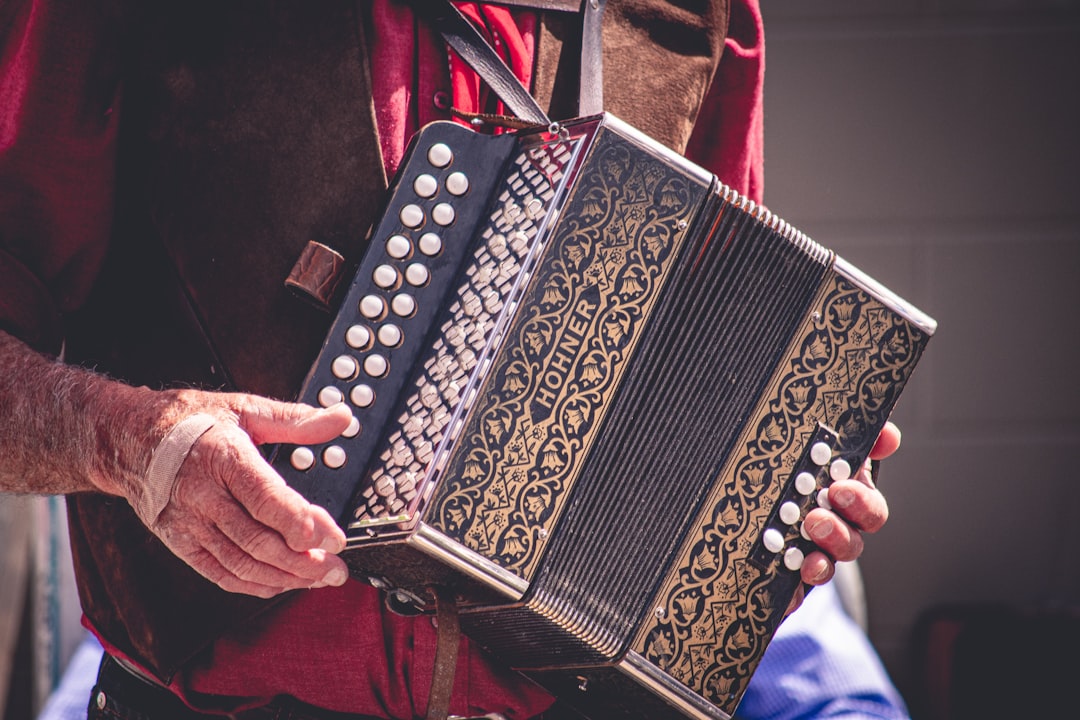
If you seek advice by asking around, please note that the advice you’ll get will be influenced by the situation the advisors are in. Many students at academies and many professionals will advise you to buy the most expensive instrument you can afford, because they have got used to the instrument being a tool that, for them, just need to work as good as possible, and they can’t afford to experiment with the quality. With a high price, you’ll often get more support from the shop that sells it, and that alone may be worth the extra money for some people. But if you are asking a friend who plays the accordion at family parties, they will probably be able to tell about an old accordion that someone has in their basement, not being used for years – maybe you could get that for a symbolic price? And your friend will be happy to help you to make it playable, if any repairs are needed.
All kinds of situations are possible, but your situation may be different, so you should carefully consider if any advice you get is suitable for you.
If you don’t think that you can or want to do any kind of repair or maintenance yourself, you would probably want to go to a music shop and make sure that they can provide all the services you’ll need. Some guitarists don’t change strings themselves, for instance, even though most do, but if you are in that first group, you’ll have to find a shop that can change strings for you, and it can make sense to buy the guitar from them in the first place.
Consider also the warranty that the shop can give. It may be your ticket to having a working instrument for at least some time. There are warranties going up to several years, but of course, remember to read the small print. In some cases, a warranty is worth a lot and can easily justify the higher price of buying new compared to used.
If you enjoy repairing things, maybe that will make buying an old mandolin much more interesting for you than buying a new one – then you can spend a few hours on making it nice and playable, and this could even make the joy of playing it bigger.
Don’t be too afraid of doing it wrong. Of course, the cost of the instrument may prevent you from buying another one anytime soon, but if it is not very expensive, such as it is often the case with an old, used instrument, you may gain some experience by owning it, even if you will later decide to get another. And you might be able to sell the first instrument again if you are not interested in keeping it.
No matter what you buy, or where you buy it, you will need to know certain things about keeping the instrument fit. It needs cleaning, tuning, perhaps some small adjustments, and some instruments need to be assembled from several parts before use, and separated again afterward for storing. It is part of being a musician to know how to do such things.
Buying an instrument is a bit like buying a car: it only starts from the purchase, and there will be many enjoyable hours to come from using it, but also some duties to keep it fit, if you should be able to keep using it for a long time.
Photo by David Vilches on Unsplash